
Finding confidence, connection and a steadier way forward
A glimpse into how one child's coaching journey unfolded over six sessions, through conversation, creative tools, reflection and practical steps beyond the coaching space.
Where the journey began
Her parent came to coaching with concerns spanning confidence, emotional regulation, communication, family connection, sleep, everyday habits and technology use.
The initial Lifestyle Assessment helped us look beyond one presenting concern and understand the different parts of daily life that might be contributing to how she was feeling and responding.
What we worked on
Over six sessions, the work centred around understanding emotions and thoughts, developing more helpful ways of responding, strengthening confidence and communication, and building greater ownership of everyday habits.
The coaching relationship itself mattered too. She needed space to become comfortable with the process and engage in it willingly.
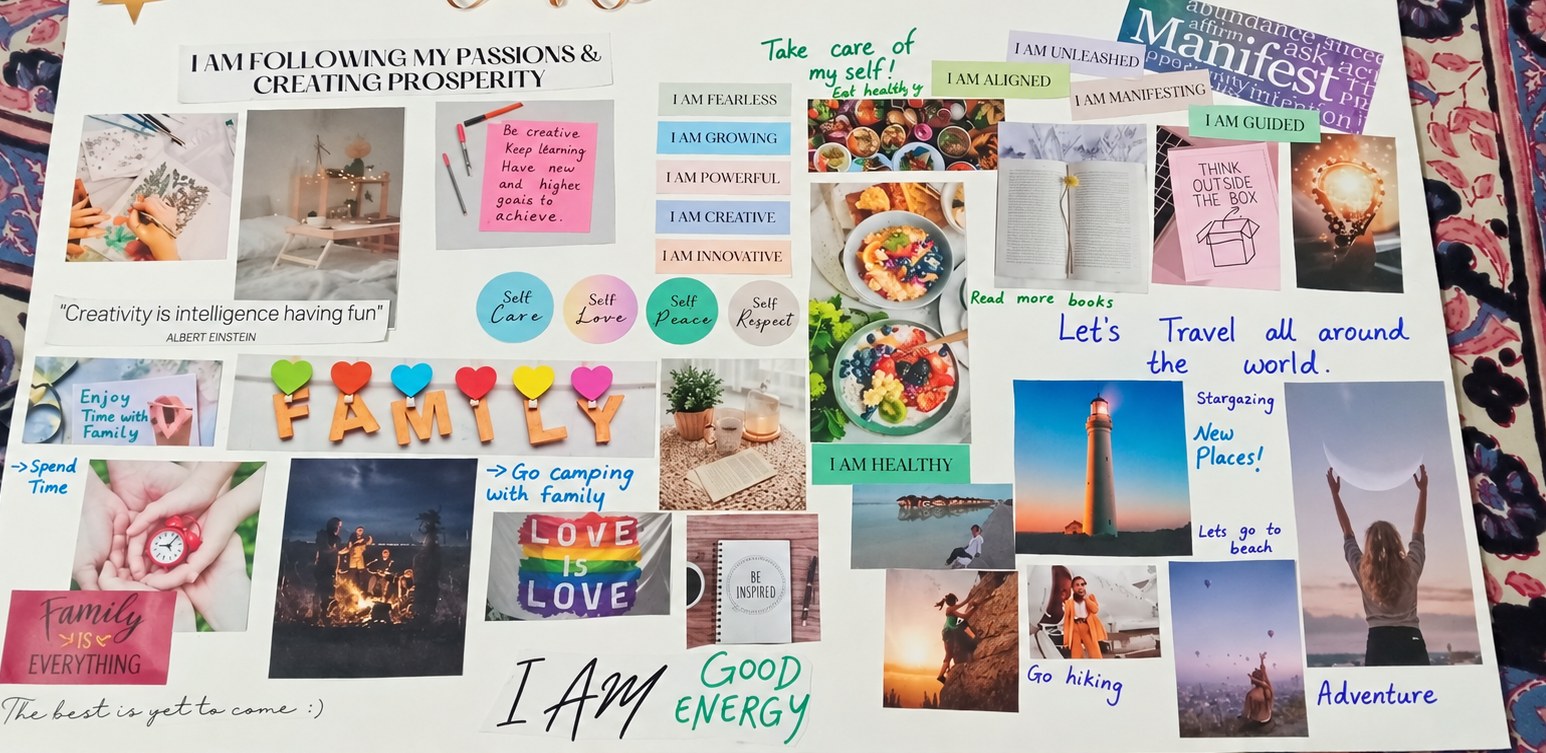
Looking ahead
A visual space for exploring strengths, healthy habits, interests and the things she wanted to grow towards.
Exploring the inside world
Creative tools helped make thoughts and emotions easier to see, name and talk about.
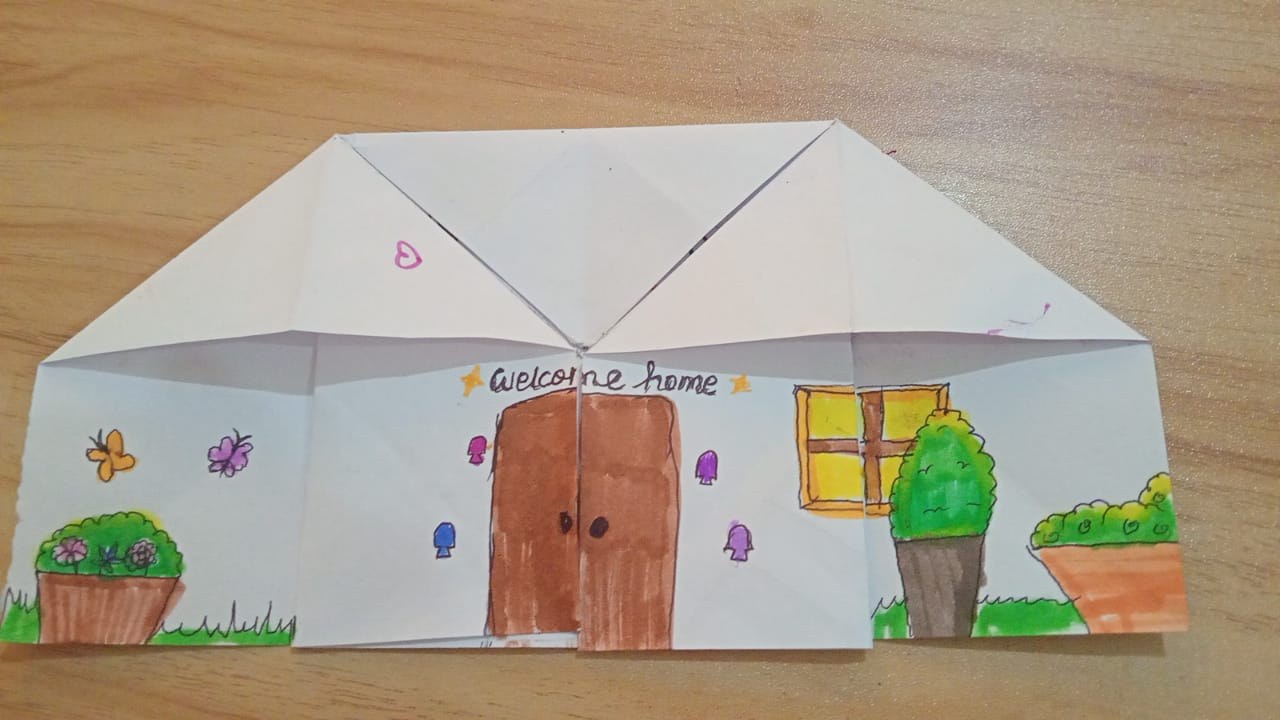
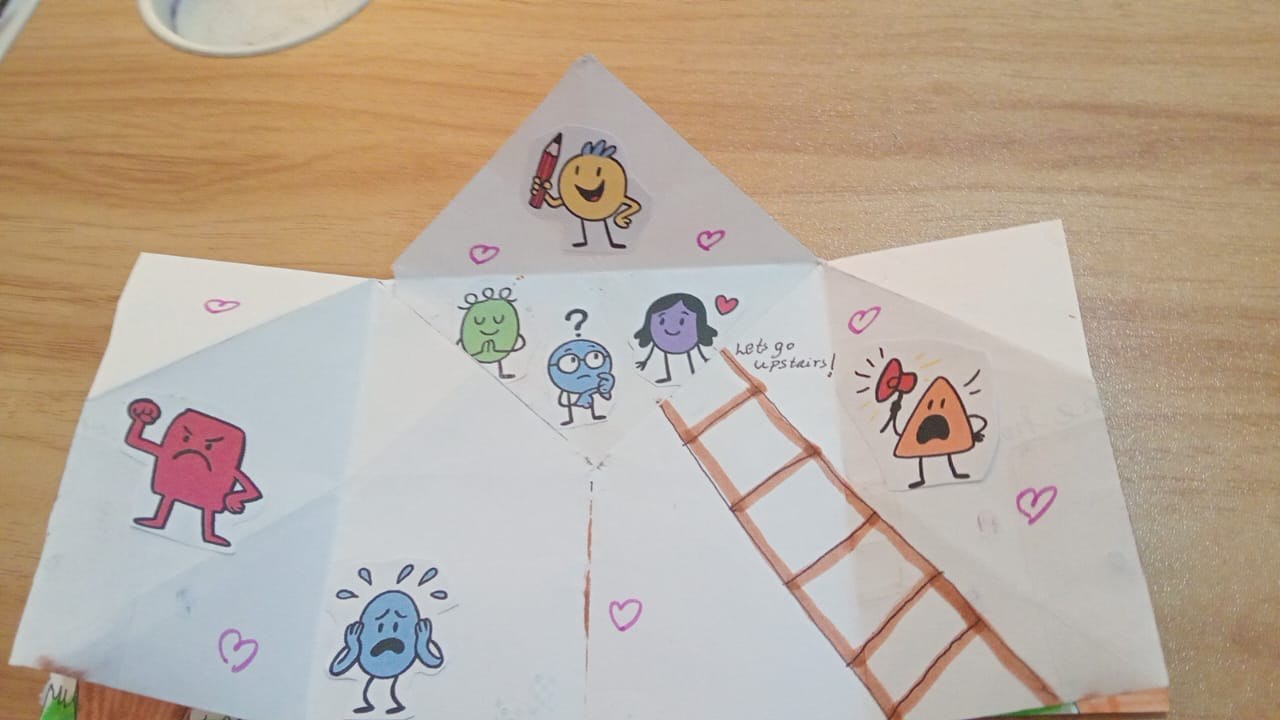
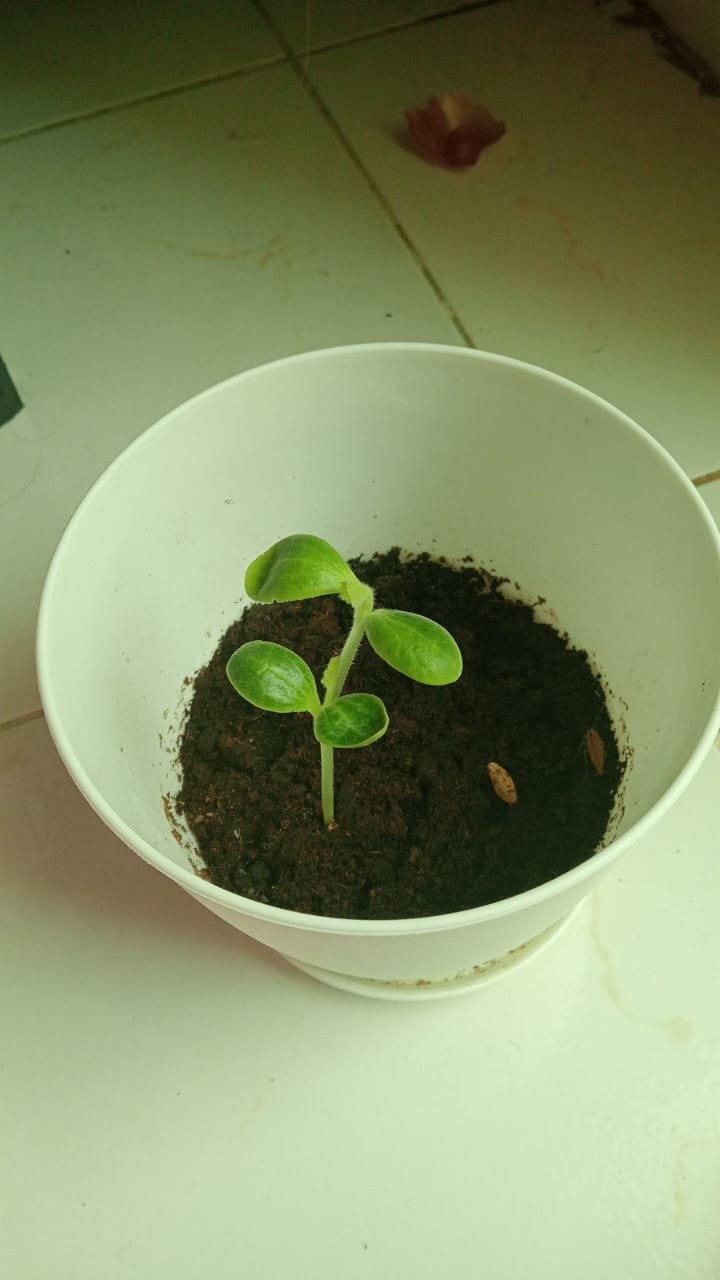
Growing responsibility
Looking after her own plant became a practical way to practise accountability, responsibility and consistent care beyond the coaching session.
What the assessment showed
Parent-reported Lifestyle Assessment
Lower percentages indicate fewer identified concerns within this assessment.
The parent-reported assessment recorded lower levels of concern across all ten areas at the end of the coaching period, with particularly substantial movement in confidence, behaviour, family dynamics and toxic influences.
The Lifestyle Assessment is used as a coaching monitoring and conversation tool, not as a diagnostic instrument. These changes should not be interpreted as proof that coaching alone caused the difference.
What her parent noticed
“She has been very open and comfortable with you, which means a lot to me. She is always excited to attend your session.”
Her parent shared that although she did not always see every assigned activity being completed, her daughter spoke about following the guidance and finding it helpful. She also observed changes in the way her daughter listened and responded during conversations, while personal-care and technology habits remained areas needing continued attention.
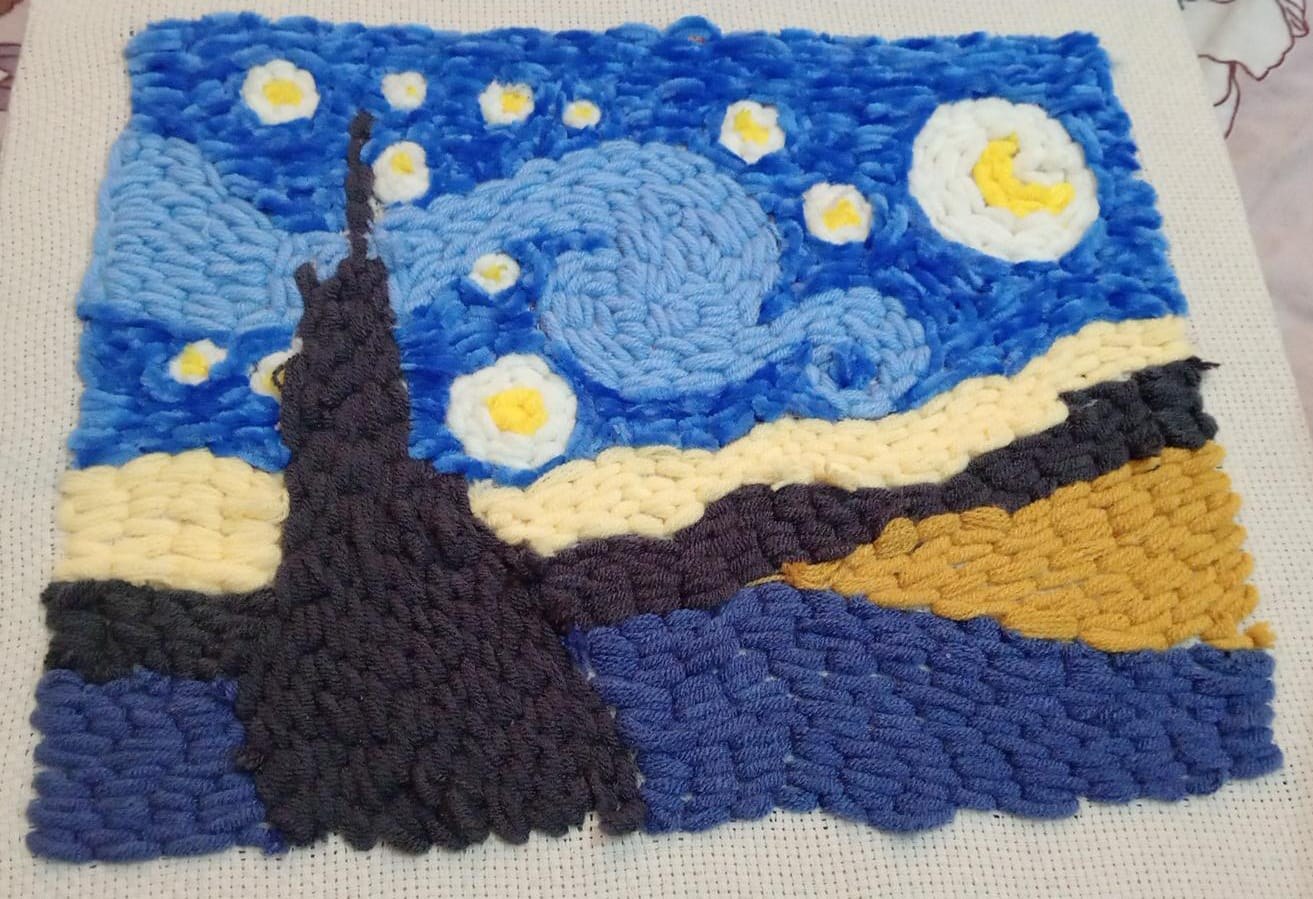
Marking the journey
A small gift given at the end of her coaching programme to mark the journey she had completed.
Learning to understand big feelings and respond differently
A look at how one child's coaching journey used conversation, creative tools and practical strategies to build greater awareness around emotions, thoughts and everyday responses.
Where the journey began
His parents came to coaching wanting to better understand some of the emotional and behavioural patterns they were seeing at home. Difficult moments could bring frustration, anger or overwhelm, and they wanted him to develop ways of recognising what was happening inside him and expressing himself more effectively.
The Lifestyle Assessment helped provide a broader view of different areas of everyday life, giving the coaching process a starting point for exploring what might need attention.
What we worked on
The coaching work focused on helping him understand the connection between thoughts, feelings and responses, recognise emotional triggers and practise ways of communicating more calmly.
Creative and practical tools were used throughout the sessions so that ideas were not simply discussed but could be explored, seen and practised in ways that felt meaningful to him.
The work also extended beyond the coaching space, with strategies he could practise at home and parents involved in supporting the process.
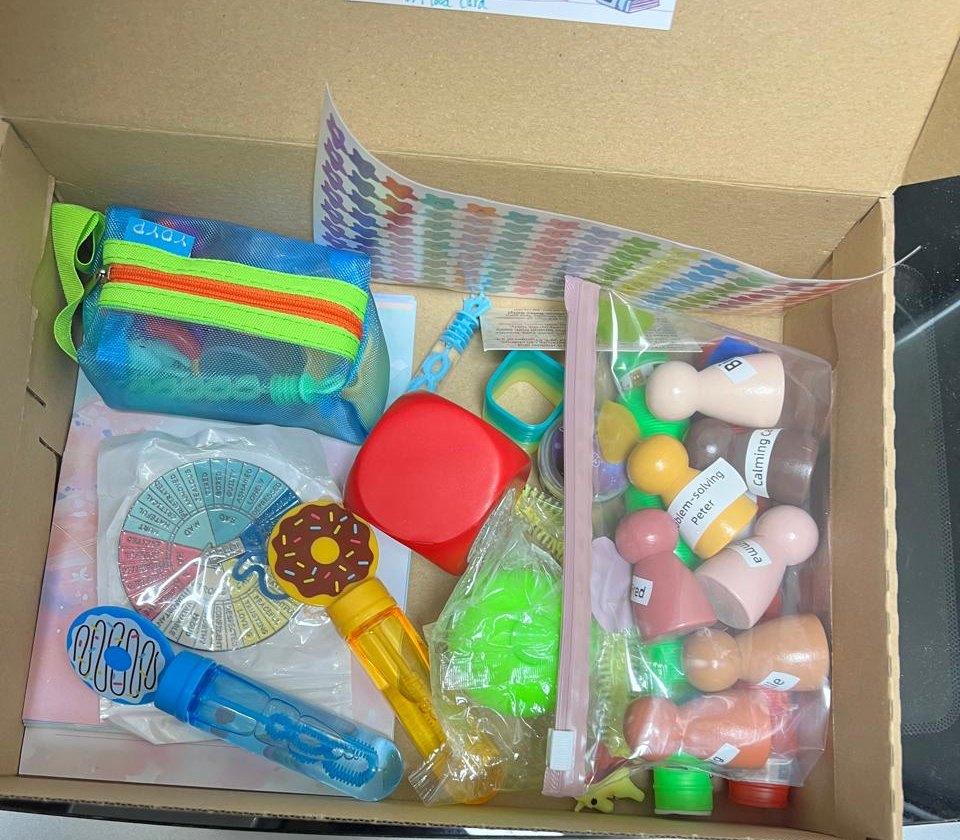
Tools to make ideas tangible
Practical and creative tools supported conversations around emotions, reflection, communication and different ways of responding.
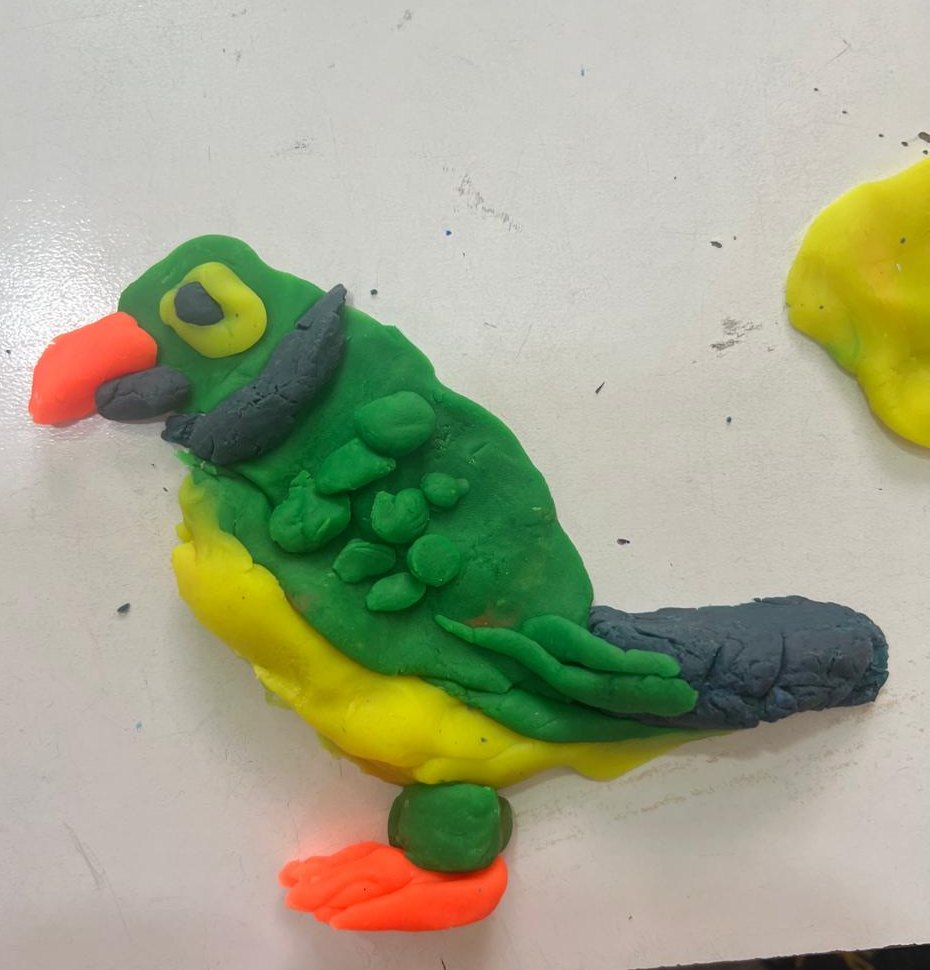
Channelling big emotions
Play-dough became one practical way to pause, settle and channel the energy of a big emotion into creating something.
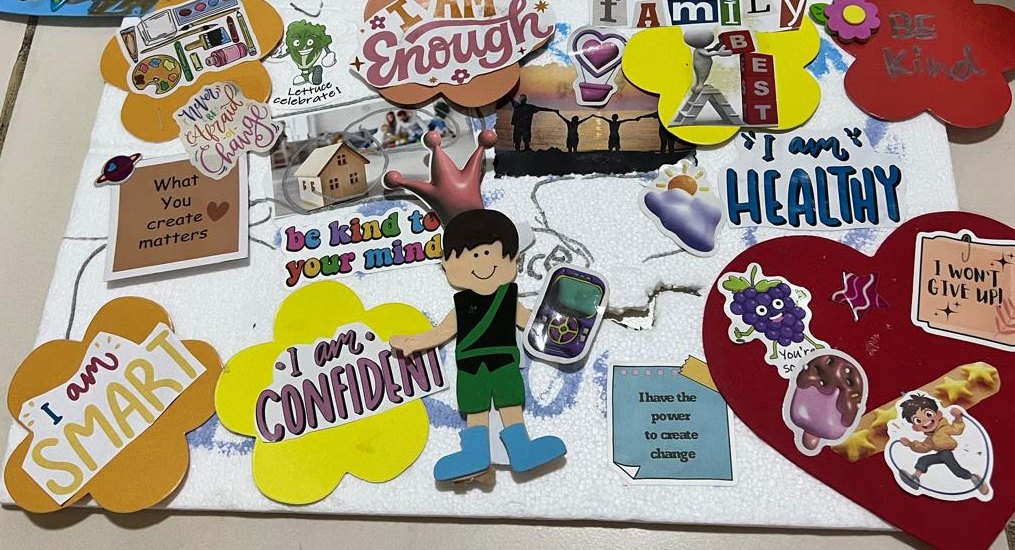
Seeing strengths and possibilities
A visual way of bringing together strengths, values, healthy choices and ideas he wanted to carry forward.
What the assessment showed
Parent-reported Lifestyle Assessment
Lower percentages indicate fewer identified concerns within this assessment.
The assessment showed a mixed picture at the end of the coaching period. Fewer concerns were reported in areas including behaviour and social skills, while some areas remained unchanged and others recorded higher levels of concern. Rather than treating the assessment as a success score, these results helped identify where progress was being noticed and where further attention and support could still be useful.
The Lifestyle Assessment is used as a coaching monitoring and conversation tool, not as a diagnostic instrument. Changes in either direction should not be interpreted as proof that coaching alone caused the difference.
What his parents noticed
“When our child began struggling emotionally, whether it was anxiety, anger frustration or just feeling overwhelmed, we felt helpless as parents. We wanted to support him, but didn’t know how.”
“Through the sessions of our child with Ms. Farah we have also learned to pause, tune into our own emotions in the moment and understand what was really happening beneath the surface.”
His parents described the coaching space as somewhere he could express himself, understand his feelings and develop tools for difficult moments. They also reflected that the process helped them pause and consider what might be happening beneath behaviour before responding.
Building skills before problems become bigger
A glimpse into an earlier-stage coaching journey focused on strengthening emotional awareness, communication and everyday coping skills through practical, child-friendly tools.
This is the journey of a 7-year-old child.
Where the journey began
This child came to coaching with many existing strengths. He was socially connected, academically engaged and able to communicate well, while still having areas where additional support could be useful.
His parent described some difficulty channelling emotions effectively, alongside areas relating to screen habits, food choices, communication during conflict, teamwork and peer experiences.
The purpose of coaching was developmental and preventative, strengthening useful skills before difficulties became more established.
What we worked on
Coaching focused on emotional awareness, understanding thoughts, communication, perspective-taking, positive self-talk, responsibility, healthy habits and practical regulation strategies.
Interactive tools included mood tracking, creative activities, mindfulness exercises, positive-thought work and reflection, giving him different ways to understand and practise what he was learning.
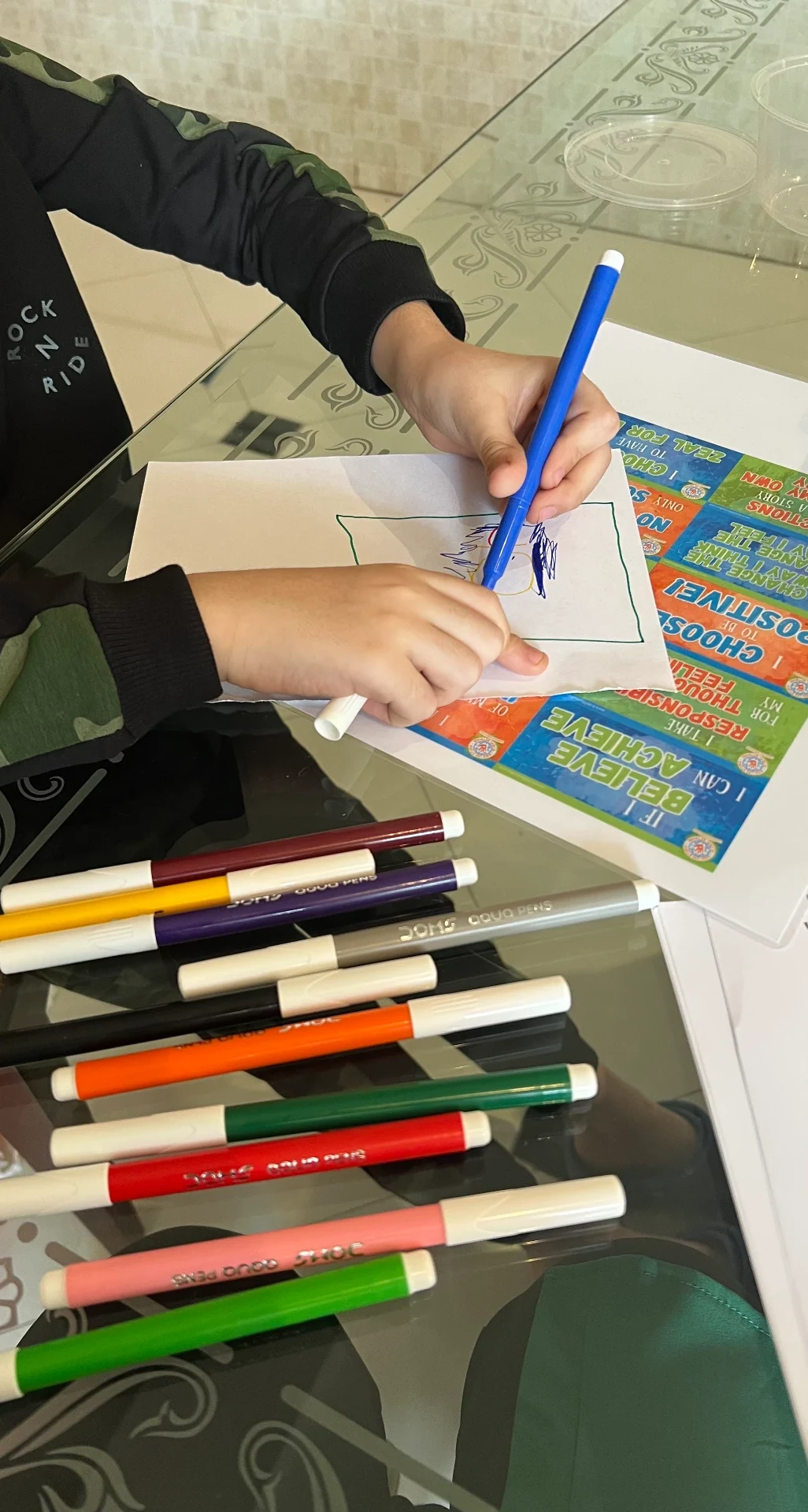
Seeing from another perspective
A creative perspective exercise helped explore how the same situation can sometimes be viewed in different ways.
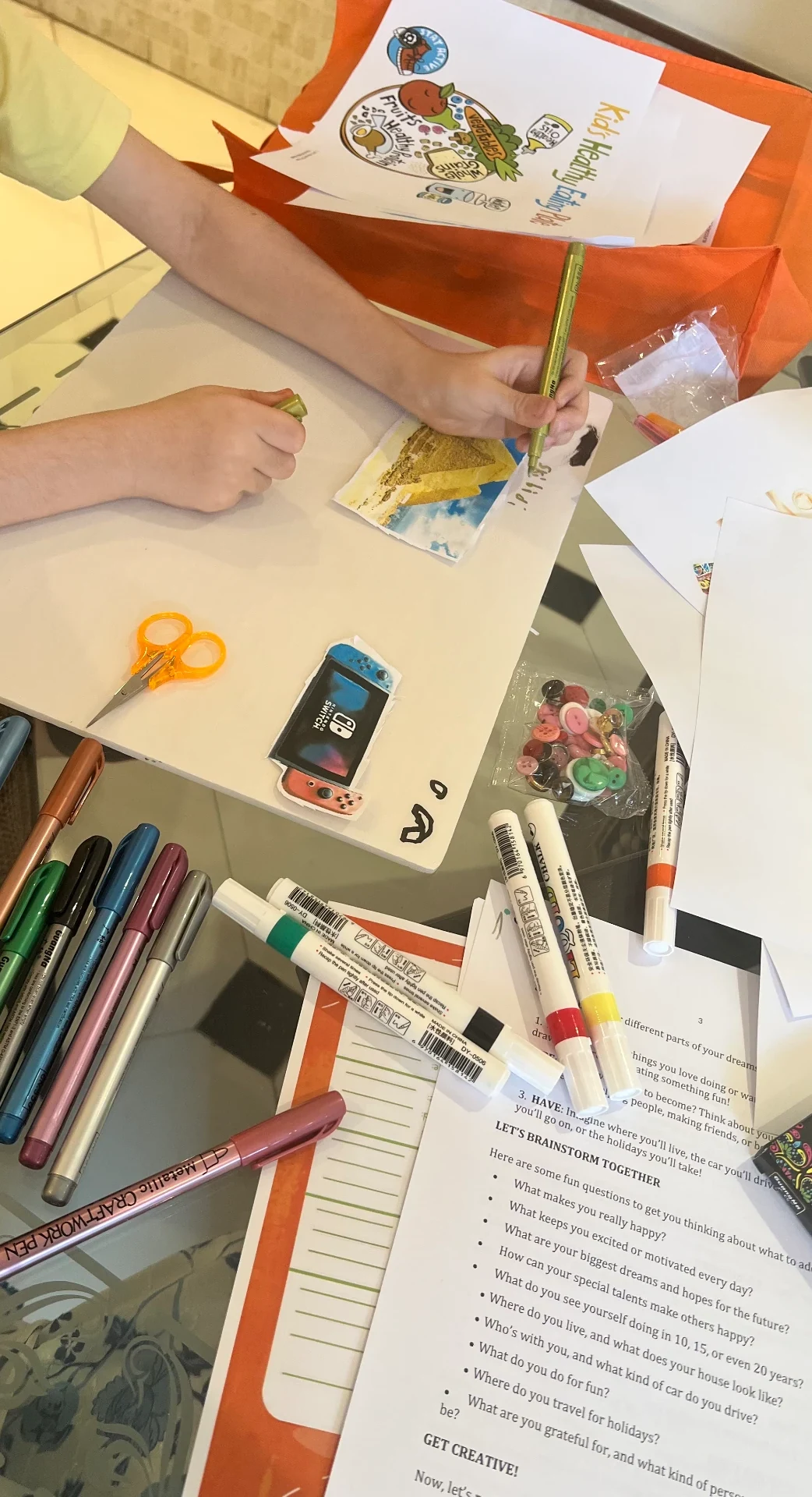
Looking towards what matters
A hands-on activity created space to explore interests, strengths, healthy choices and ideas for the future.
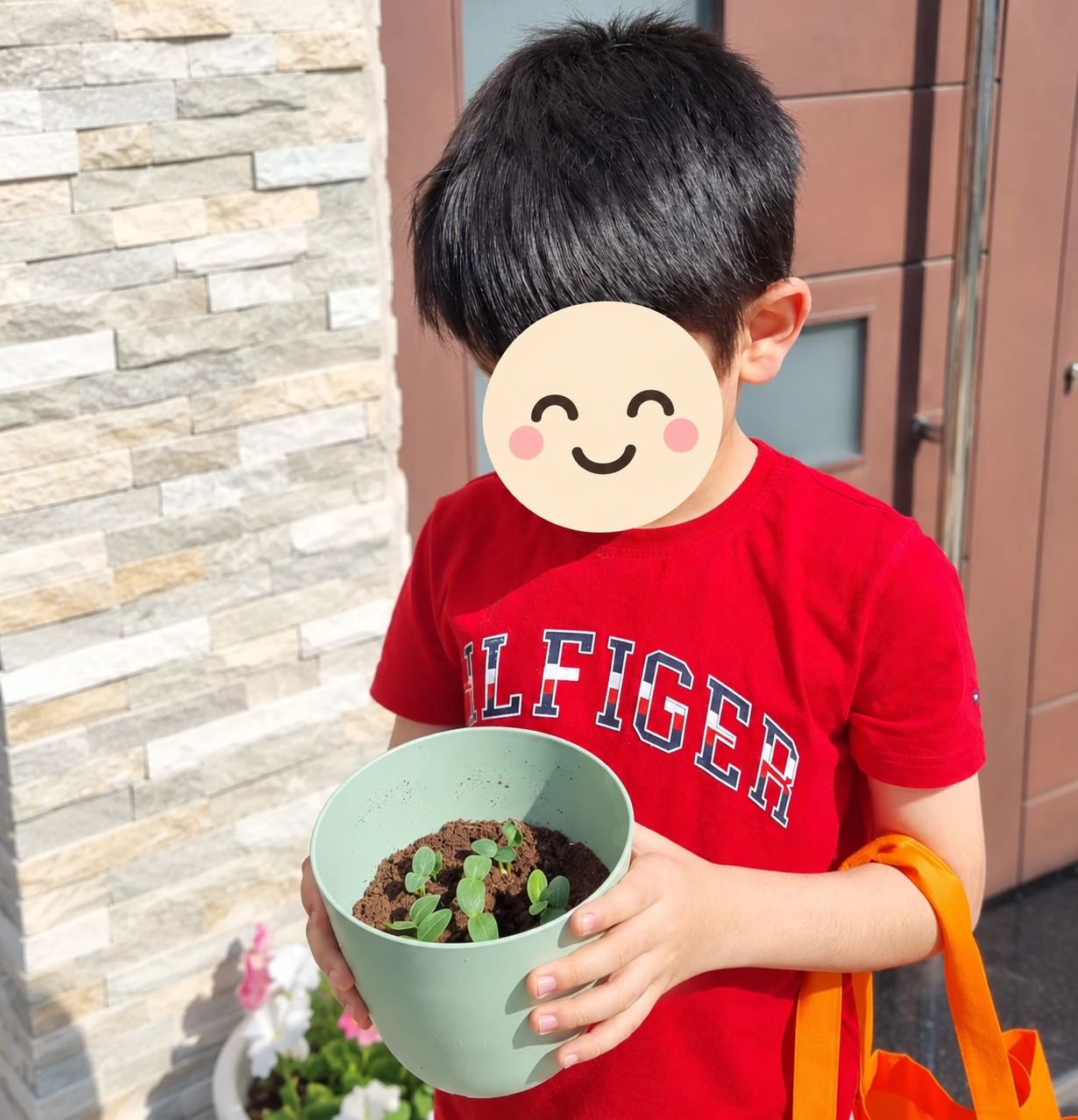
Taking learning beyond the session
Caring for something of his own offered a simple, practical way to practise responsibility, consistency and follow-through beyond the coaching space.
What the assessment showed
Parent-reported Lifestyle Assessment
Lower percentages indicate fewer identified concerns within this assessment.
The parent-reported assessment recorded fewer identified concerns across most areas at the end of the coaching period. School Environment remained unchanged within this assessment, while movement was recorded across areas including family dynamics, behaviour, social skills and everyday lifestyle influences.
The Lifestyle Assessment is used as a coaching monitoring and conversation tool, not as a diagnostic instrument. These changes should not be interpreted as proof that coaching alone caused the difference.
What his parent noticed
“He had some difficulties in channeling his emotions, and although we’re still in the initial stages, I can already see positive changes in him. I am confident that with time and consistent application of your techniques and exercises, he will be able to express himself more effectively.”
“During our recent visit, I noticed how easily my daughters were able to open up and share their thoughts and feelings with you. This is truly a testament to the safe and supportive environment you create.”